
How to Sustainably Buy & Sell Horseback Riding Gear (Without Owning a Horse)
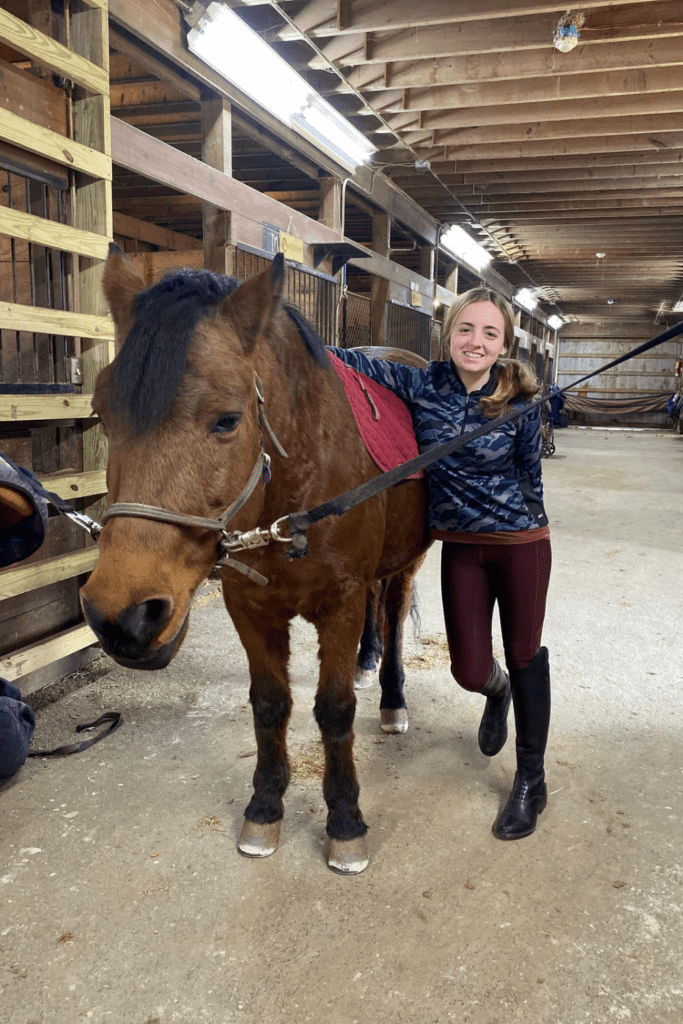
When my daughter started riding during COVID, she was eight years old.
We were looking for something outdoors. Something steady. Something grounding during a season that felt anything but.
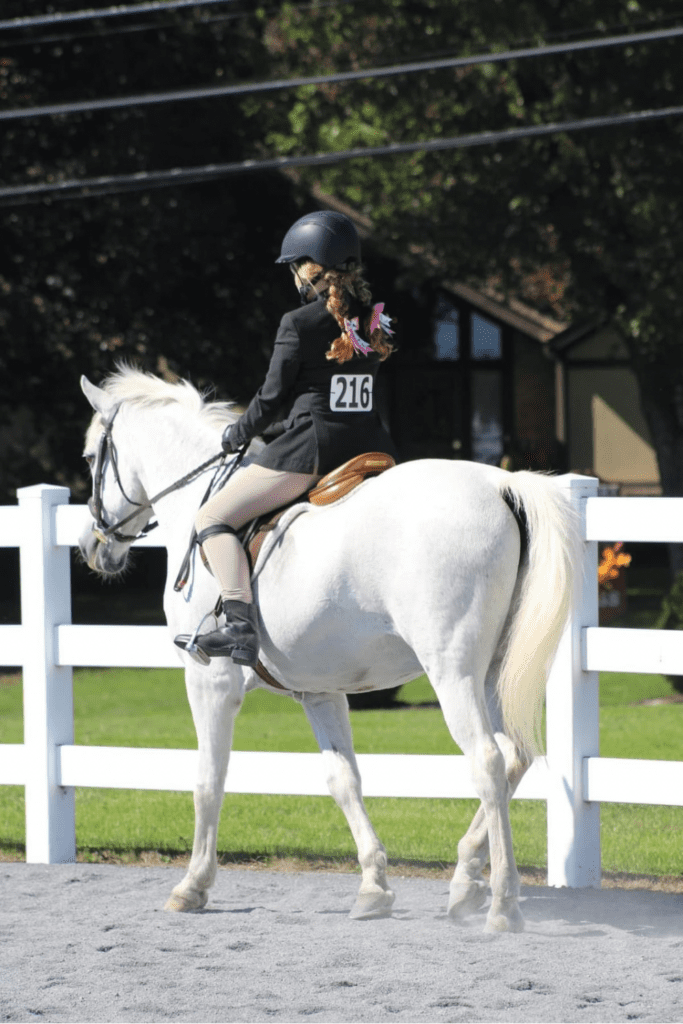
Five years later, she’s thirteen, rides on a regional International Equestrian Association (IEA) team, and competes in hunter and jumper shows — and I’ve learned more about tall boots, breeches, and show coats than I ever expected to know.

We do not own a horse (which makes a significant financial difference), but as she has grown — physically and in skill — we’ve still needed to replace:
- Paddock boots (multiple times)
- Half chaps
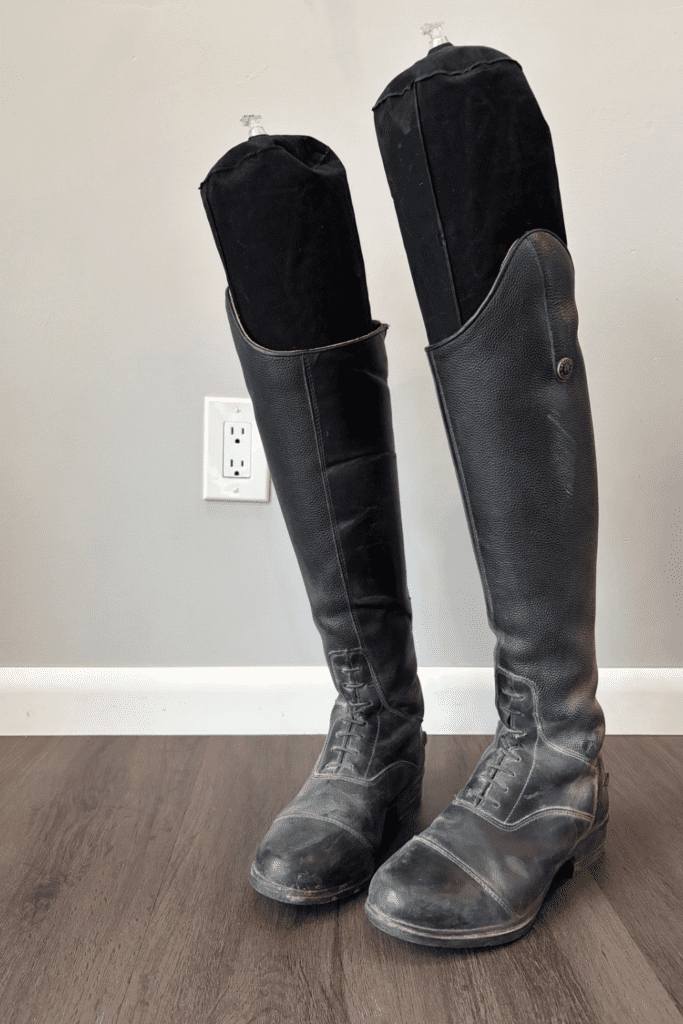
- Tall boots (now required for shows at her age)
- Breeches in every imaginable length
- Riding shirts for schooling
- Show shirts for competition
- A show jacket once she began competing
Riding is a beautiful sport. It can also quietly add up.
If you’re new to horseback riding — or simply horse-curious — this post will walk you through:
- What riders actually need
- How competitions work
- How to buy, sell, and donate gear sustainably
Because yes — there is a thoughtful way to support an expensive hobby.
What Does a Young Equestrian Rider Actually Need?
If your child is taking weekly English riding lessons at a barn, here’s the simple breakdown.
For Weekly Lessons (Schooling)
- ASTM-approved helmet (typically purchased new for safety reasons)
- Riding pants (called breeches)
- Boots (paddock boots for beginners)
- Comfortable, fitted riding shirt
For Competitions (Hunter/Jumper Shows)
- Show shirt (with collar)
- Show jacket
- Tall boots (usually required as riders get older)
- Hair net, belt, gloves
- Clean, fitted breeches
Because she rides hunters and jumpers, turnout (what the rider wears) matters — it’s part of the judging standard.
And here’s the part no one tells you at the beginning:
Kids grow. Fast.
What fit in September may not fit by March.
Our Journey: From COVID Beginner to IEA Competitor
We live in Central Pennsylvania, within easy driving distance of the greater Lancaster and Philadelphia areas — a region rich with lesson barns, show circuits, and equestrian communities.
That proximity has been a gift.
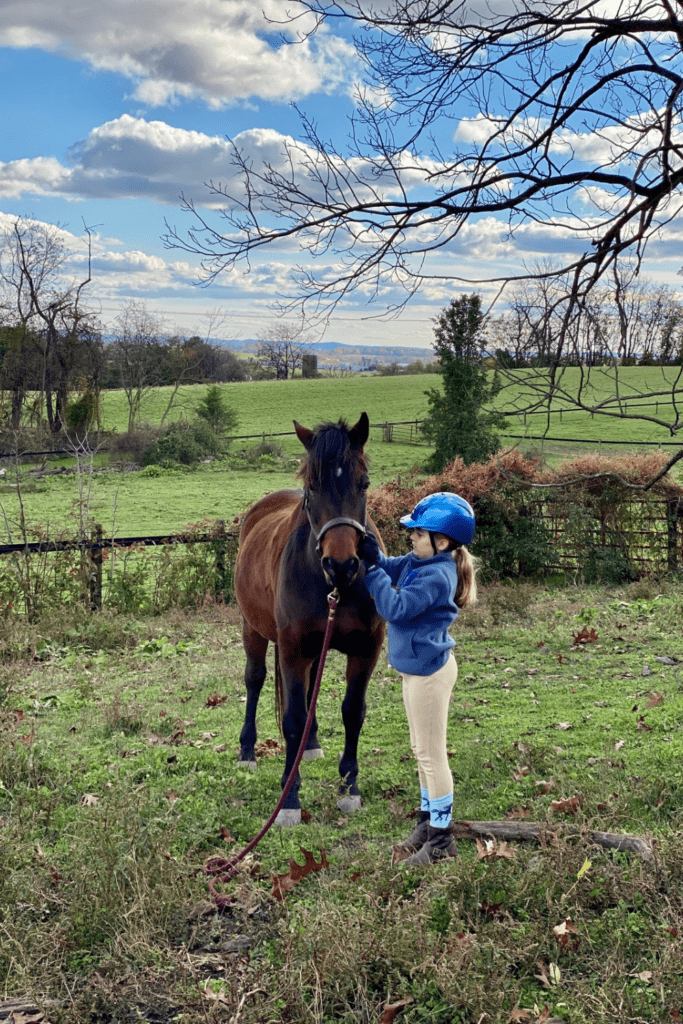
My daughter began riding at eight. She was tiny. Her first pair of paddock boots felt enormous.
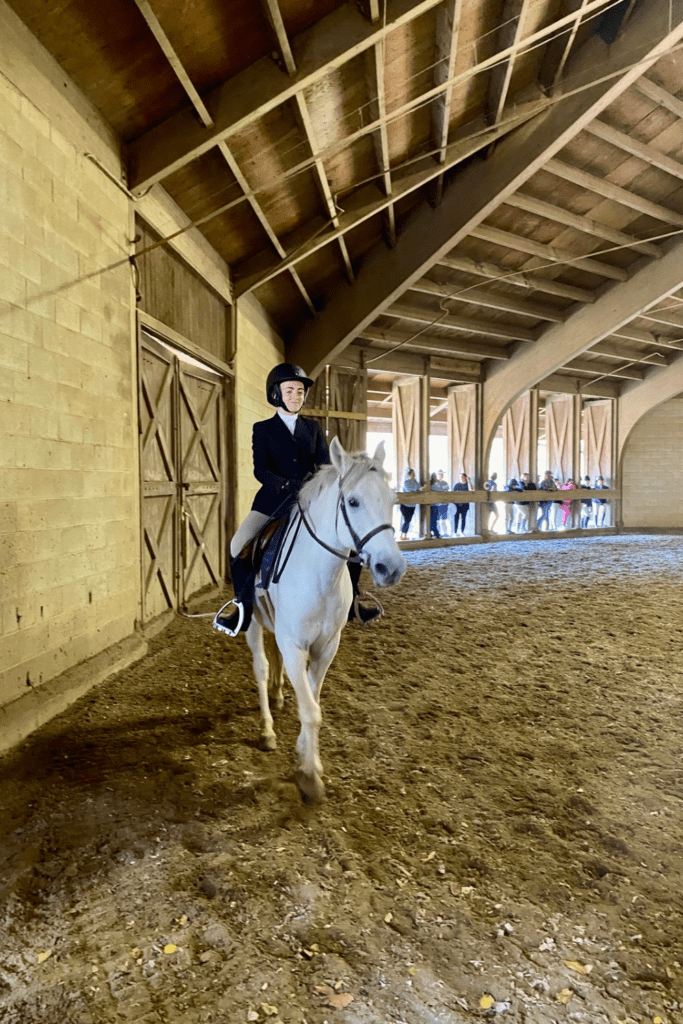
Now she’s thirteen, rides for a regional IEA team, and competes in hunter and jumper classes.
IEA is especially wonderful because:
- Riders do not need to own a horse
- Horses are provided at competitions
- It makes competitive riding more accessible and affordable
It removes one of the biggest financial barriers in equestrian sports.
But even without horse ownership, gear evolves as riders progress.
Which is why discovering The Tried Equestrian was such a relief.
Why We Love The Tried Equestrian
The Tried Equestrian is a California-based online consignment shop specializing in gently used equestrian apparel and tack. Because it operates online, you can shop from anywhere — which makes it accessible to riding families nationwide.
Their mission is simple but powerful:
To make quality equestrian gear more accessible and affordable while promoting sustainability within the riding community.
They extend the life of high-quality equipment by helping riders buy and sell responsibly instead of constantly purchasing new.
We’ve purchased:
- Tall boots
- Show shirts
- Schooling breeches
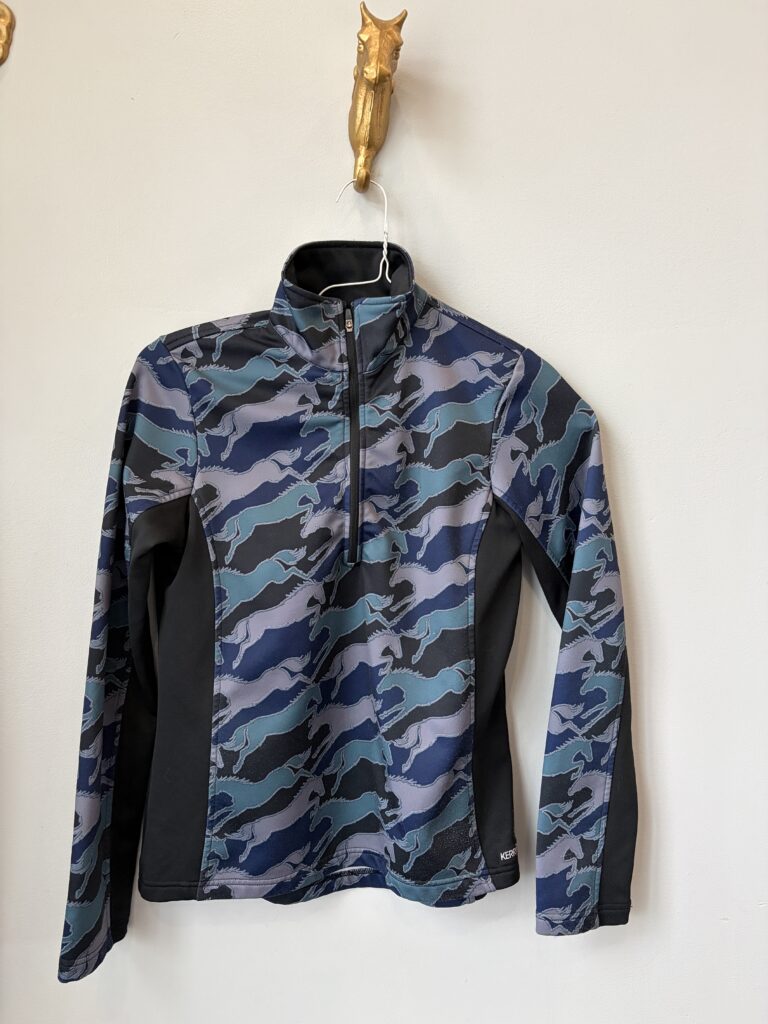
- Riding layers
Everything has arrived in beautiful condition. Equestrian brands are built to last. Buying gently used often means you’re getting premium gear at a fraction of retail — while keeping perfectly usable items out of landfills.
And for transparency: I do not have an affiliate relationship with Tried Equestrian. I’m simply sharing what has worked for our family.

Other Smart Ways to Buy, Sell & Donate Riding Gear
While online consignment has been a game-changer for us, there are also fantastic local options worth exploring — especially if you live in an equestrian-rich region like Central Pennsylvania or the greater Philadelphia area.
Here’s what we’ve learned.
1. Facebook Marketplace
Search terms like:
- “English riding boots”
- “Hunter jumper show jacket”
- “Youth breeches”
- “Tack consignment”
In horse-heavy regions, listings are frequent and often high quality.
Tip: Inspect boots carefully for cracks and always test zippers thoroughly.
2. Local Facebook Riding Groups
Many communities have private equestrian groups where:
- Families post outgrown gear
- Barn parents swap items
- Show jackets circulate quickly
These groups often feel more trustworthy and specialized than broad Marketplace listings.
3. Buy Nothing & Freecycle Groups
Especially for beginner gear, you may find:
- Starter paddock boots
- Breeches
- Riding shirts
When families step away from the sport, many prefer to donate locally.
4. Local Tack Shops with Consignment Sections
Many tack shops offer:
- In-store consignment racks
- Seasonal sales
- Trade-in credit
The bonus? You can try items on before purchasing.
5. Lesson Barn Bulletin Boards
Never underestimate the corkboard near the office.
Parents regularly post:
- “Tall boots size 6 for sale”
- “Show coat youth 12”
- “Outgrown half chaps”
Barn communities are tight-knit — and sustainability thrives in shared networks.
6. Barn Yard Sales & Community Consignment Events
Watch for:
- Seasonal tack swaps
- Schooling show consignment days
- Multi-barn yard sales
In Pennsylvania and the Philly region, these events are surprisingly common — and often treasure troves.
Selling Your Own Riding Gear
As my daughter has grown, we’ve resold:
- Paddock boots
- Breeches
- Lesson jackets and pullovers
Here’s what helps maximize resale value:
- Clean everything thoroughly
- Photograph items in natural light
- Include brand name and exact size
- Be honest about wear and condition
Higher-end brands retain resale value exceptionally well.
And the circular model — buy, use, resell — is sustainable living in action.

Why This Matters (Even If You’ve Never Touched a Saddle)
Horseback riding teaches:
- Responsibility
- Emotional regulation
- Physical strength
- Confidence
But access matters.
The more we normalize:
- Consignment shopping
- Community swapping
- Resale platforms
- Thoughtful purchasing
The more families can say yes to experiences like this.
The Year of the Horse feels especially meaningful in our home right now.
Watching my daughter grow — from that eight-year-old pandemic beginner to a confident teenage competitor — has been extraordinary. And knowing we’ve supported her passion thoughtfully, without unnecessary waste, makes it even sweeter.
Final Thoughts for Horse-Curious Families
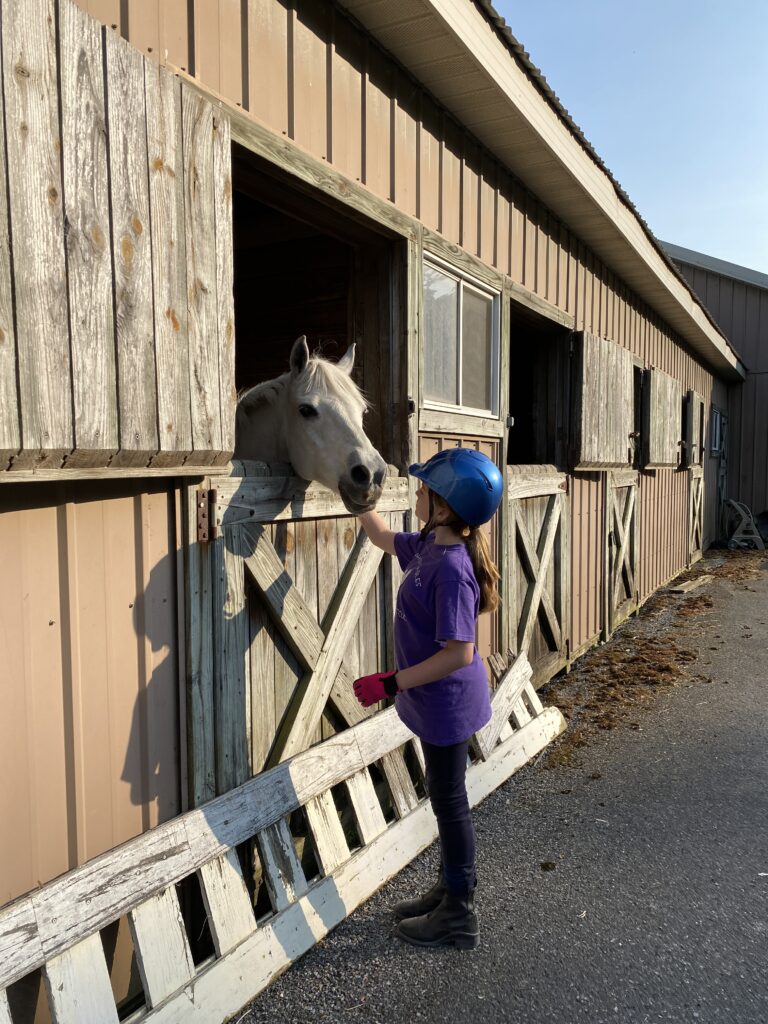
You do not need to own a horse to ride.
You do not need to buy everything new.
And you do not need to feel intimidated by the sport.
Start small. Ask questions. Borrow when you can.
And if you’re looking for a fantastic online starting point, The Tried Equestrian is absolutely worth exploring. Because sustainability isn’t just compost bins and reusable water bottles.
Sometimes it’s tall boots — finding their second (or third) ride. 🐎
Shopping Sustainably for Other Sports?
Looking for ways to shop sustainably for other sports gear and equipment? My friend Jen of Honestly Modern created a comprehensive guide on where to buy, sell, and donate used ice hockey equipment. The guide can be used for many sports – you’ll definitely want to check it out!




One Comment
Comments are closed.