Are LEGO Bricks Sustainable? A Parent-Friendly Look at LEGO & Sustainability
As a STEM educator and a parent who spends a lot of time thinking about how to live—and teach—more sustainably, I’ve had an ongoing internal debate about Lego bricks. They’re iconic. They’re beloved. They’re made of plastic. They’re practically immortal.
But are LEGO bricks sustainable?
Over the years, I’ve come to realize that Lego bricks may be one of the most sustainable STEM tools we can put into kids’ hands—not despite their durability, but because of it. When used intentionally, Legos can support creativity, engineering thinking, circular economy habits, and long-term, low-waste play.
Lego bricks aren’t just toys. They’re a sustainability lesson that never stops teaching.
This post contains affiliate links. If you choose to click, thank you for supporting my work.
1. Lego Bricks Are a Built-In Circular Economy Tool
Let’s start with the question sustainably minded families always ask.
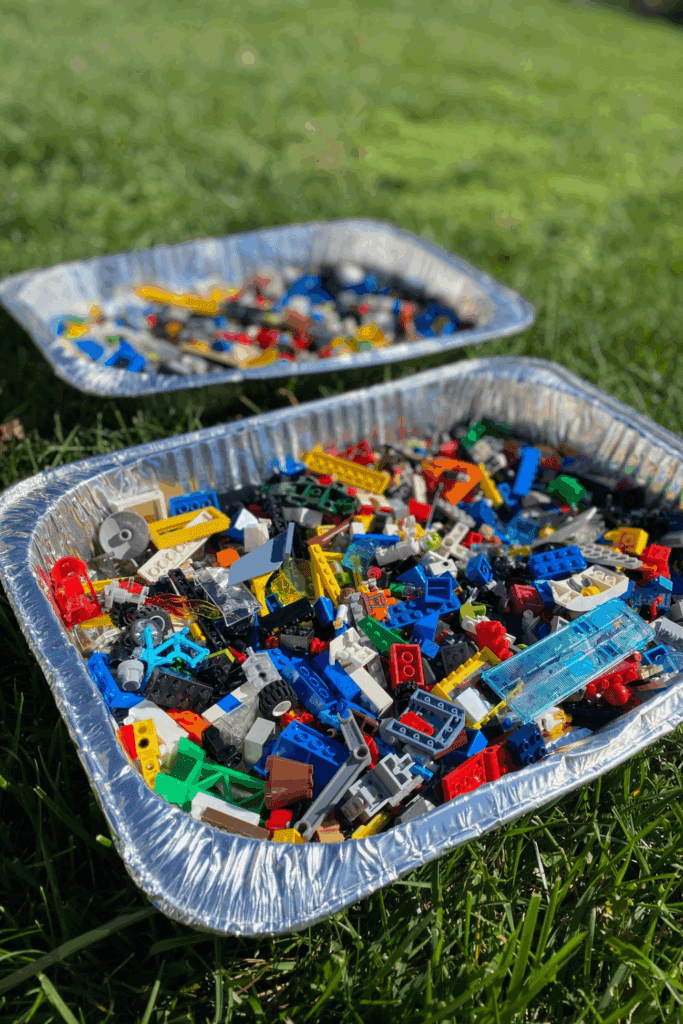
Yes, Lego bricks are made of plastic. But here’s the twist: a Lego brick’s useful life can outlast an entire generation.
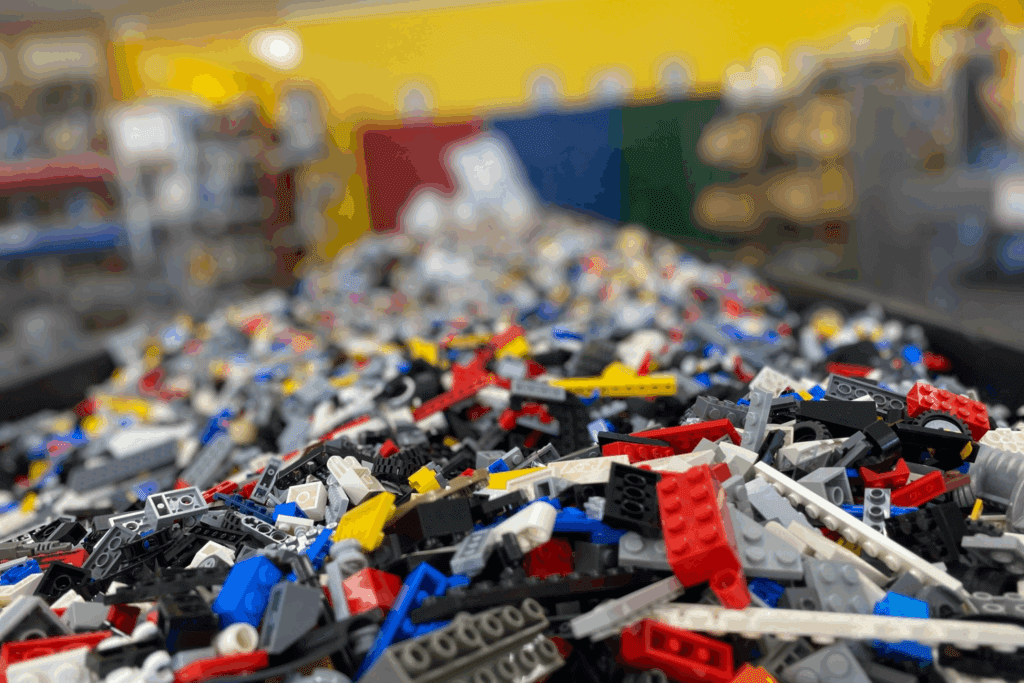
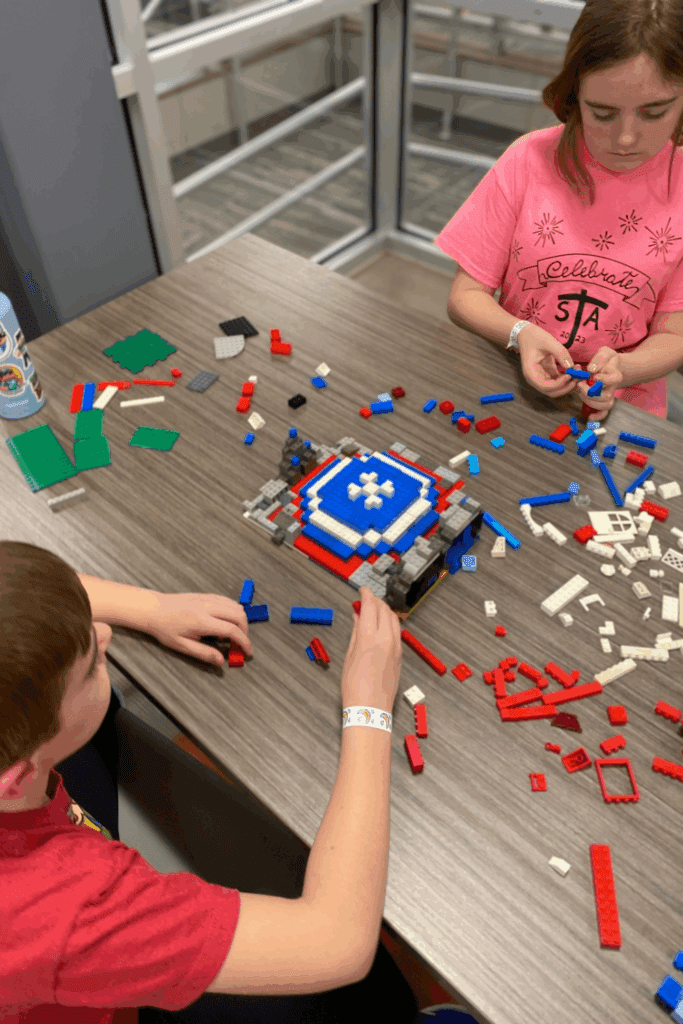
A single brick can be reused across siblings, classrooms, clubs, and even generations. Their near-indestructibility is usually framed as a negative. But through a circular-economy lens, it becomes a powerful positive.
One Lego brick can provide decades of creative, educational value without ever needing to be replaced.
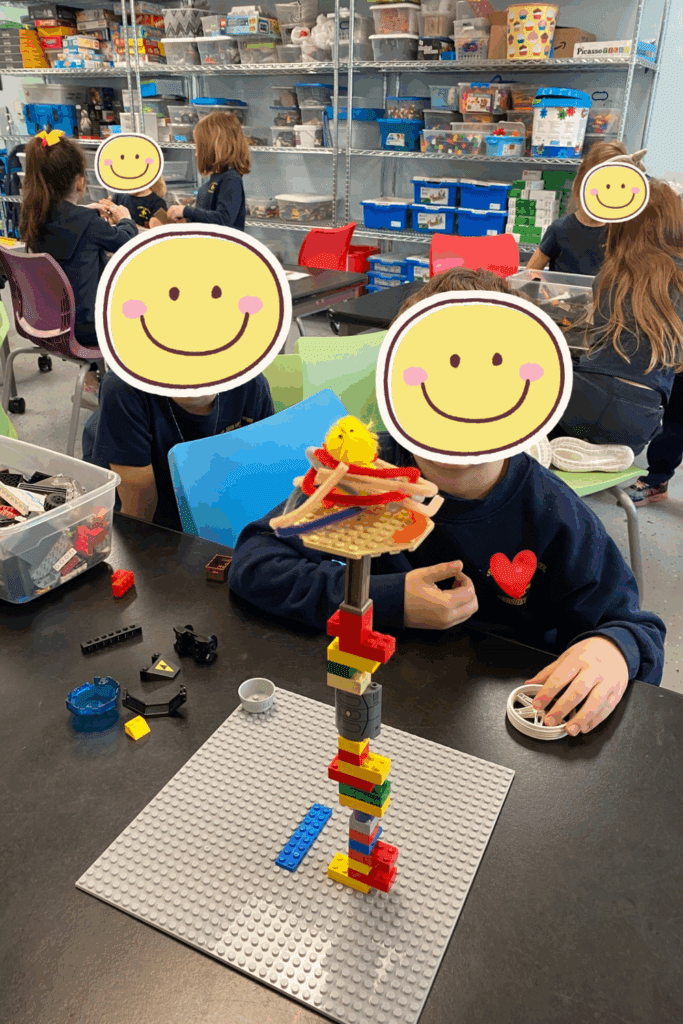
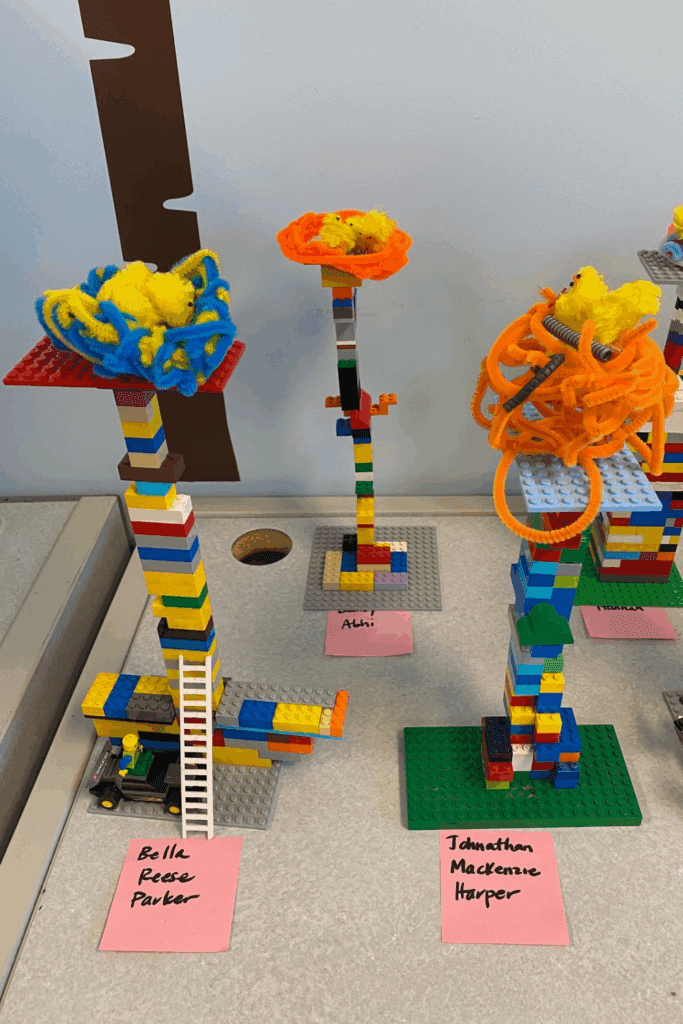
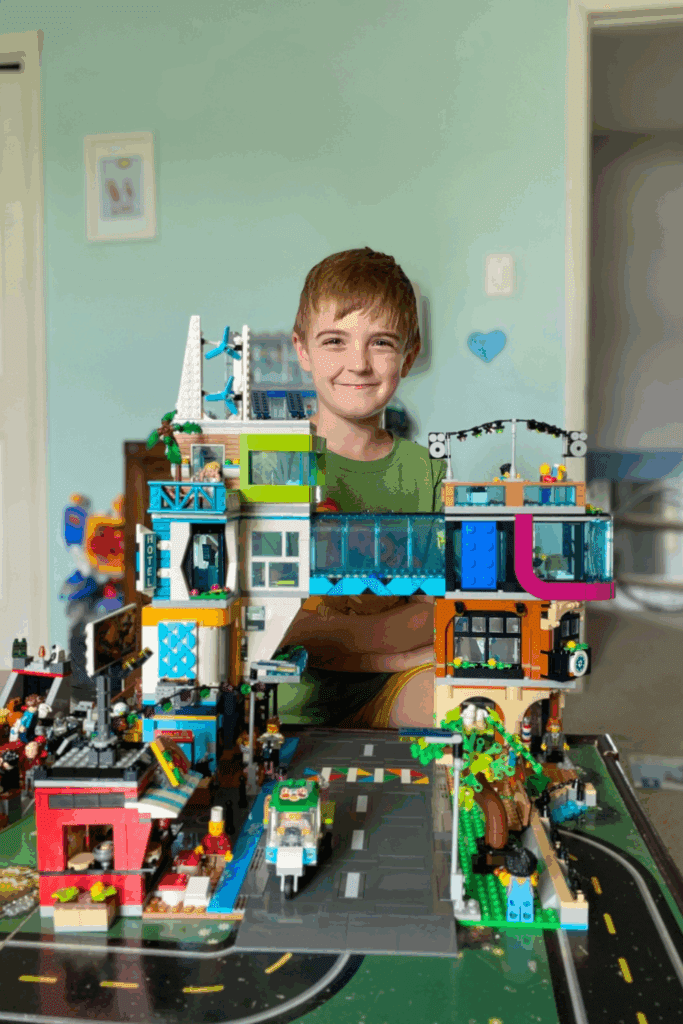
Unlike many toys whose novelty fades quickly, Lego bricks grow with children. A toddler’s tower becomes a third-grader’s simple machine, a sixth-grader’s robotic prototype, and a teenager’s architectural model.
That longevity means fewer toys in landfills and fewer replacement purchases over time.
2. Lego Bricks Are a STEM Superpower With Zero Prep
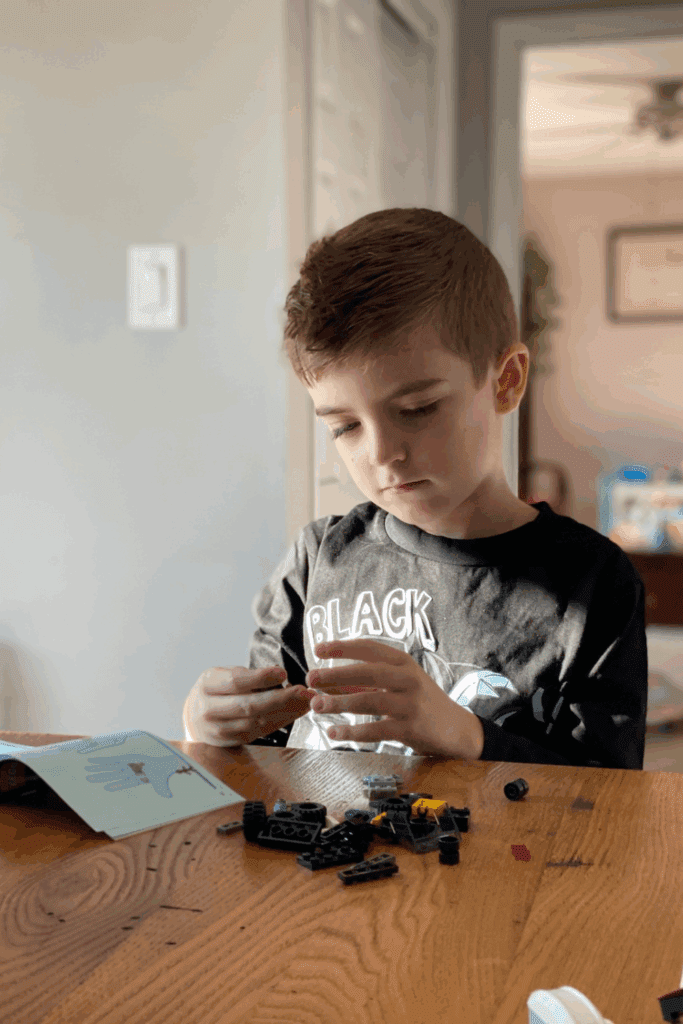
If you love hands-on learning but dislike prep-heavy activities, Lego bricks are ideal. They require no batteries, no printing, and no specialized tools. Just imagination.
From a STEM standpoint, Legos naturally support:
- Engineering design thinking
- Structural stability and load distribution
- Measurement and spatial reasoning
- Pattern recognition and sequencing
- Simple machines using gears, axles, and pulleys
Kids think they’re building spaceships; we know they’re prototyping.
Because Lego bricks can be reused infinitely, Lego-based STEM lessons are both eco-friendly and cost-effective. A single bin of bricks can support years of engineering challenges without consuming any additional materials.
3. Lego Opens the Door to Sustainability Conversations
Lego bricks create space for meaningful sustainability discussions. They offer a familiar, tangible way to introduce children to concepts such as materials science, life cycles, repair culture, responsible reuse, and innovation in sustainable materials.
These conversations become natural extensions of the building process and help kids see how everyday objects relate to environmental responsibility.
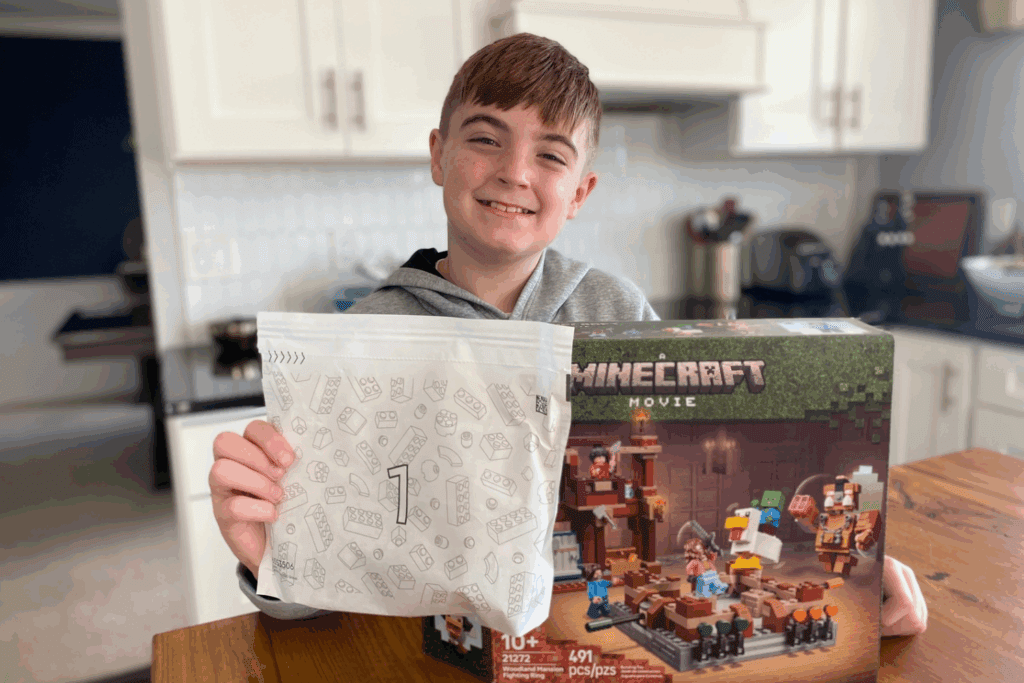
For families paying attention to packaging waste, there’s another encouraging shift happening: Lego has begun transitioning from plastic bags to recyclable paper bags inside their sets, a change already rolling out across the United States. We recently experienced this firsthand when my son opened a new Minecraft Lego set he received for his birthday. The moment he realized that every single bag inside the box was paper, he came running to tell me. It was such a small moment, but a powerful one—proof that kids notice sustainability, celebrate it, and carry those habits forward.
4. Low-Waste STEM Activities You Can Do With Legos
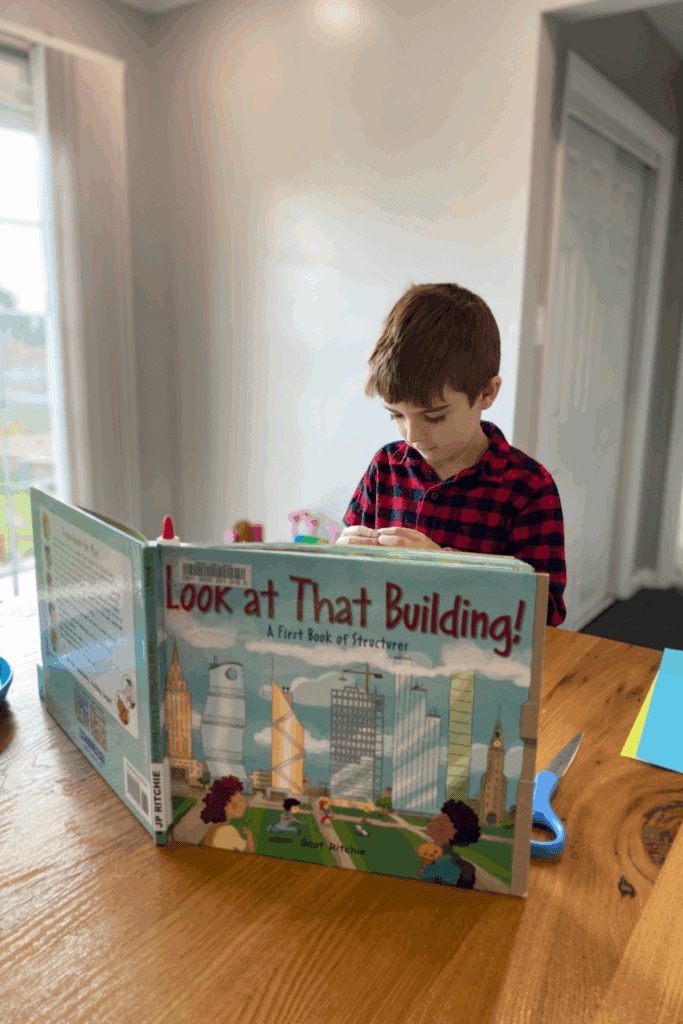
If you want to blend sustainability and STEM, here are activities that require no consumables:
Minimal-Brick Engineering
Challenge kids to build the tallest free-standing structure using only 20 bricks. They practice optimization and efficiency—core sustainability concepts.
Upcycled Invention Prototypes
Invite kids to design a model of an invention that solves an environmental problem, such as a compost tumbler, wind turbine, or ocean skimmer.
Habitat Builders
Have kids model ecosystems such as coral reefs, wetlands, forests, or pollinator gardens to spark conversations about biodiversity and conservation.
Simple Machines
Use gears and pulleys to explore mechanical advantage without any single-use materials.
5. Lego Bricks Are a Rare “Buy Once, Use Forever” Resource
Sustainability is not just about avoiding plastic; it’s about valuing durable, reusable materials. Lego bricks exemplify this idea. They are durable, adaptable, repairable, and endlessly reusable across age groups.
When we invest in toys designed for decades of use—not months—we reinforce a core sustainability principle: long-term solutions matter more than short-term novelty.
6. How to Make Lego Use Even More Sustainable
Here are practical steps families and classrooms can take to improve the sustainability of their Lego collections:
- Buy used bricks or sets
- Mix and reuse what you already have
- Donate unused bricks through Lego Replay
- Store bricks well to extend their life
- Incorporate them into ongoing STEM challenges
Final Thoughts: Lego Bricks Are a Sustainable Investment in Creativity
When we choose toys intentionally, we set children up for a lifetime of designing, problem-solving, and thinking critically about the world.
Lego bricks promote imagination, resilience, and environmental responsibility. They support the STEM mindset our world needs and reflect the sustainability values that matter to so many families and educators.
In a world full of disposable products, Lego bricks stand out as a long-lasting, reusable tool that beautifully blends STEM learning with sustainability.