Fizzy Egg Dyeing: Easy Baking Soda Easter Science Experiment
Spring is in the air—and if you’re looking for a fun, low-prep way to dye Easter eggs, this fizzy egg dyeing activity is a must-try. Using simple household ingredients like baking soda, food coloring, and vinegar, you can turn a classic holiday tradition into a hands-on STEM experiment your kids will love.
Not only is this activity colorful and engaging, but it also introduces kids to basic chemistry concepts like acid-base reactions in a way that feels like pure magic (hello, bubbles and fizz!). If you’re a busy parent or educator looking for easy science activities, this one checks all the boxes.
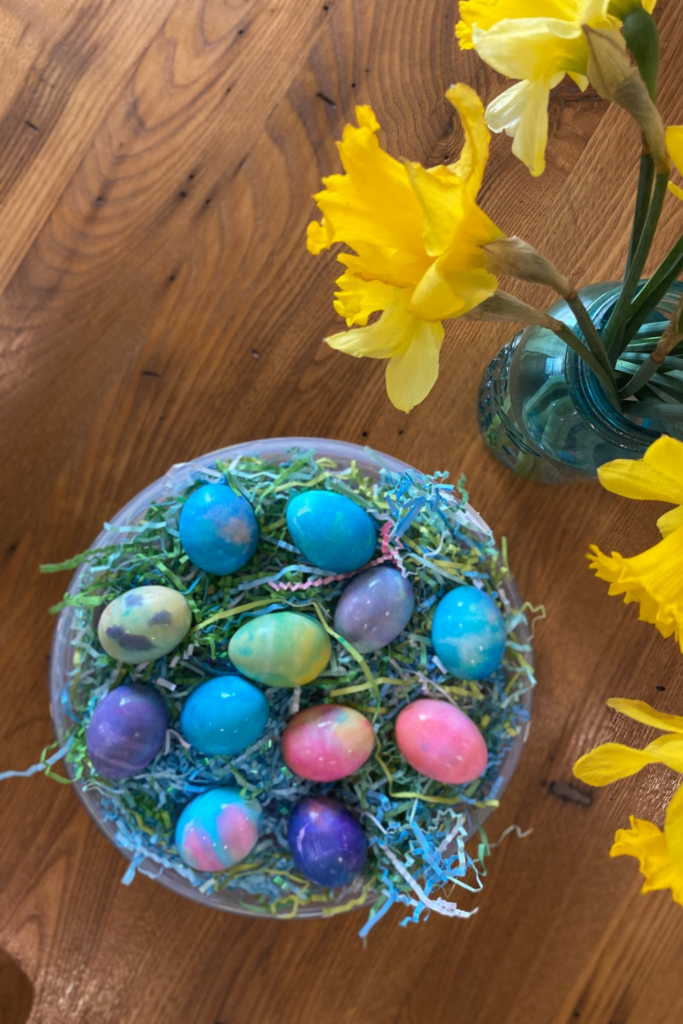
What is Fizzy Egg Dyeing?
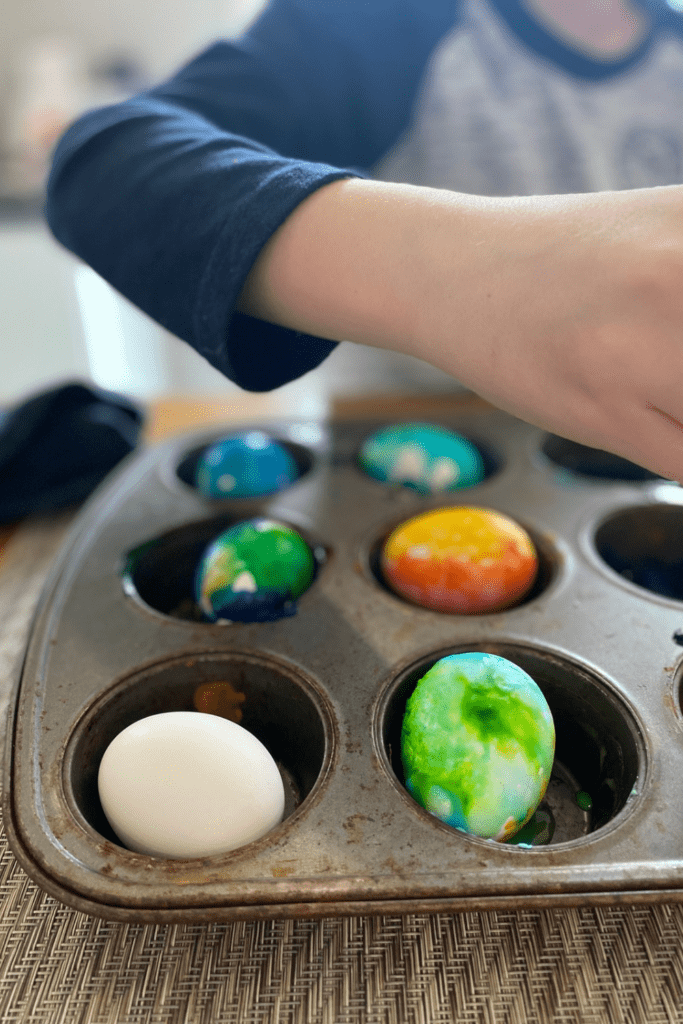
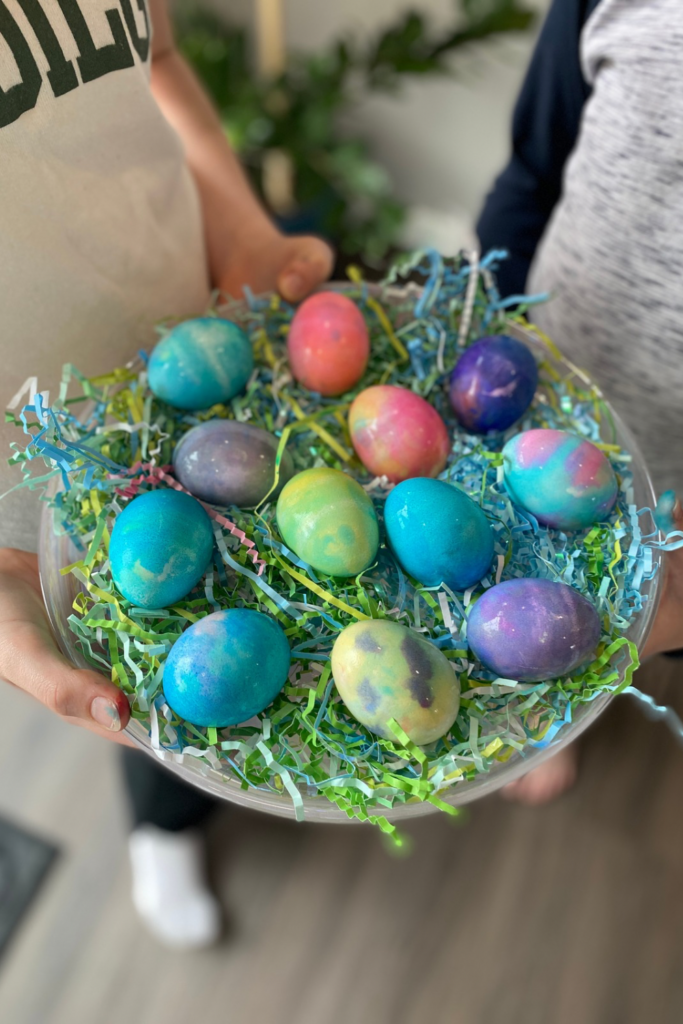
Fizzy egg dyeing is a fun science-based way to decorate Easter eggs using baking soda, food coloring, and vinegar. When vinegar is added, it reacts with the baking soda to create a fizzy chemical reaction that spreads color across the eggs in unique patterns.
Skip the store-bought dye kits—this simple science twist is even more fun!
The Science Behind Fizzy Egg Dyeing
This activity is a simple example of an acid-base reaction. Baking soda (a base) reacts with vinegar (an acid) to produce carbon dioxide gas—the bubbles and fizz you see during the experiment.
As the reaction happens, the color spreads and blends across the eggshell, creating beautiful marbled designs. It’s a hands-on way to explore chemistry concepts while having fun.
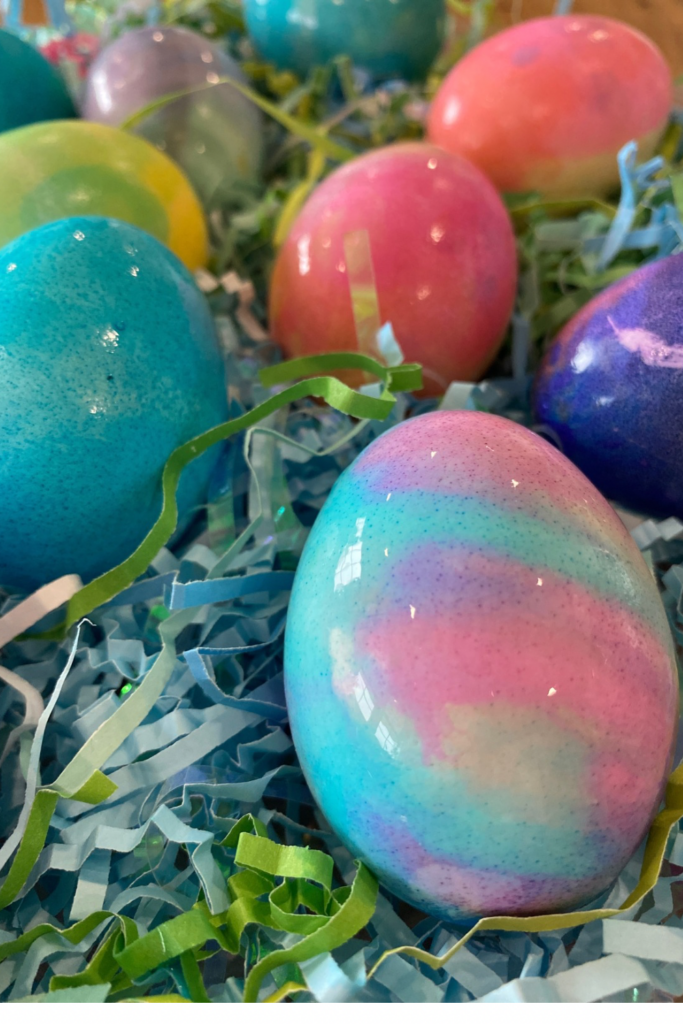
Supplies for Fizzy Egg Dyeing
- Hard-boiled eggs (cooled and dry) – white shelled eggs work best for dyeing
- Baking soda
- Food coloring
- Small cups or bowls
- Water
- Paintbrushes or spoons
- White vinegar
- A tray or dish (to contain the fizz!)
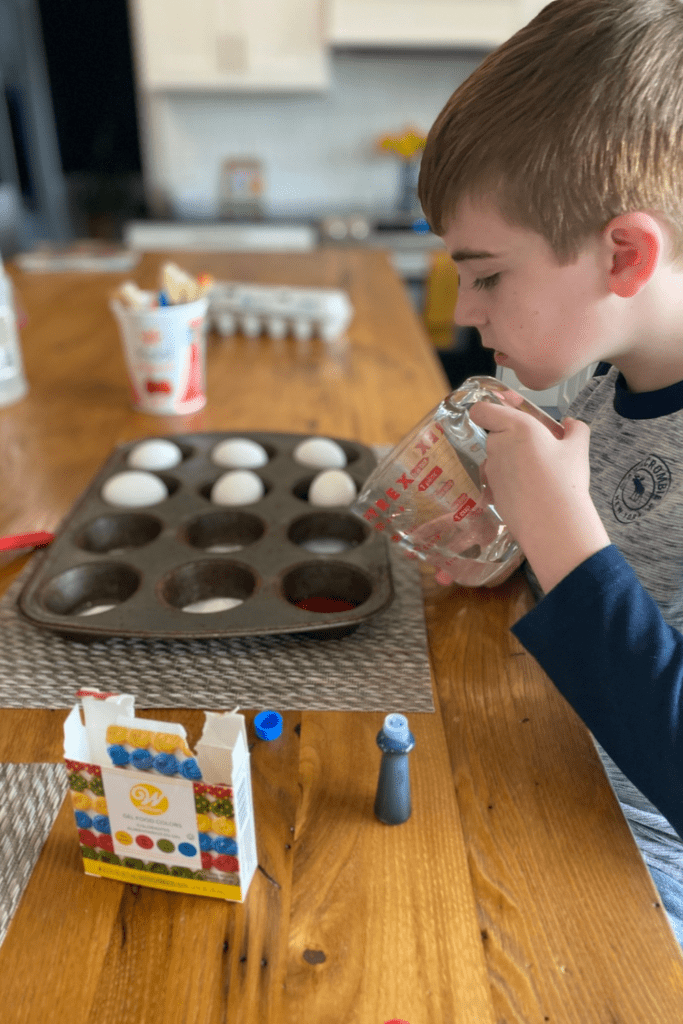
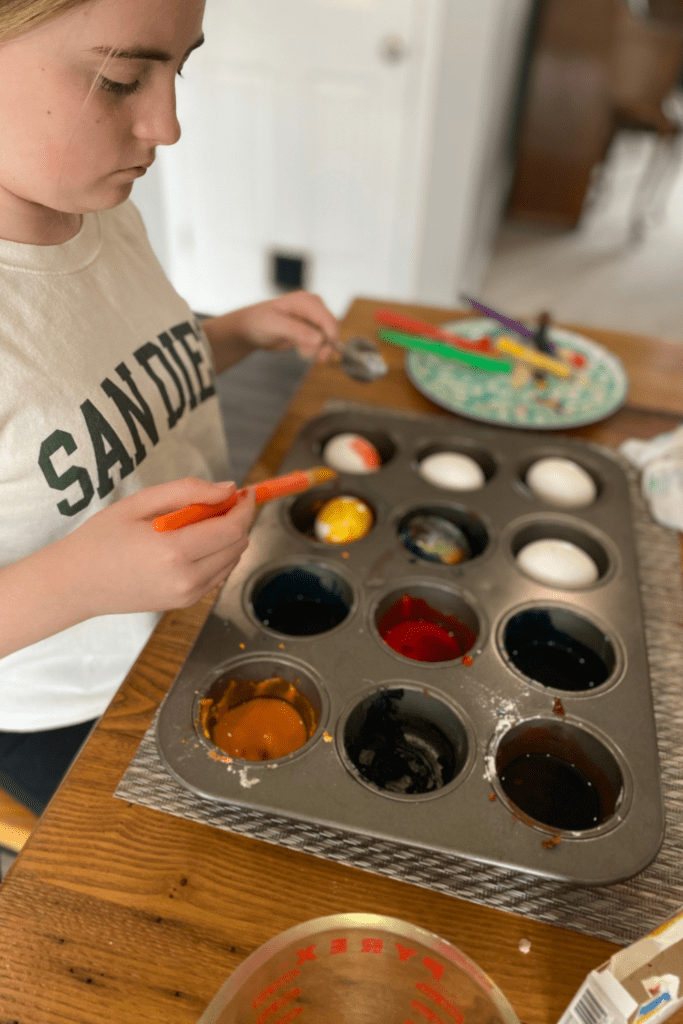
How to Make Fizzy Dyed Easter Eggs
Step 1: Hard-Boil the Eggs
- Place eggs in a single layer in a pot and cover them with water.
- Bring to a boil, then turn off the heat and cover the pot.
- Let the eggs sit for 10-12 minutes, then transfer them to an ice bath to cool.
- Once cool, dry them off and set aside.
Step 2: Make the Baking Soda Paint
- In a small cup or bowl, mix 2 tablespoons of baking soda with a few drops of food coloring and 1 teaspoon of water.
- Stir until you get a thick, colorful paste. Add more baking soda if it’s too runny.
- Repeat for as many colors as you’d like!
Step 3: Paint the Eggs
- Use paintbrushes or spoons to coat your eggs with the baking soda paint.
- The thicker the layer, the fizzier the reaction!
Step 4: Get Fizzing!
- Place the painted eggs in a dish or tray (to catch the mess!).
- Use a spoon to drizzle white vinegar over each egg.
- Watch as the colors bubble, fizz, and swirl!
- Once the fizzing stops, gently rinse the eggs under water to reveal your masterpiece.
Watch this video to see the science in action!
Taking the Science Further
For older kids, take this activity up a notch with some extra scientific exploration:
- Experiment with different acids! Try lemon juice instead of vinegar—does it fizz the same way?
- Test different baking soda mixtures. What happens if you add more or less water?
- Explore pH levels. Use pH strips to test vinegar before and after the reaction—does it change?
- Write a hypothesis! Ask kids to predict what will happen before they add vinegar, then compare results.
If your kids love fizzy reactions, you’ll also love this bath bomb chemistry activity.
Parent Tips for Easy Set-Up
- Use a tray or baking dish to contain the mess
- Let kids experiment freely – there’s no “wrong” way!
- Prep eggs ahead of time to keep this activity quick and stress-free
- Try this outdoors for easy cleanup
Why Fizzy Egg Dyeing is the Perfect STEM Activity
This project is the perfect blend of creativity and chemistry. It’s low-prep, super engaging, and a fantastic way to show kids that science isn’t just something you do in a lab—it’s in the everyday magic around us!
So grab some eggs, mix up some fizzy paint, and let the bubbly fun begin. Happy experimenting!
More Spring STEM Fun!
Looking for more hands-on science fun this season? Check out these awesome STEM activities on the blog:
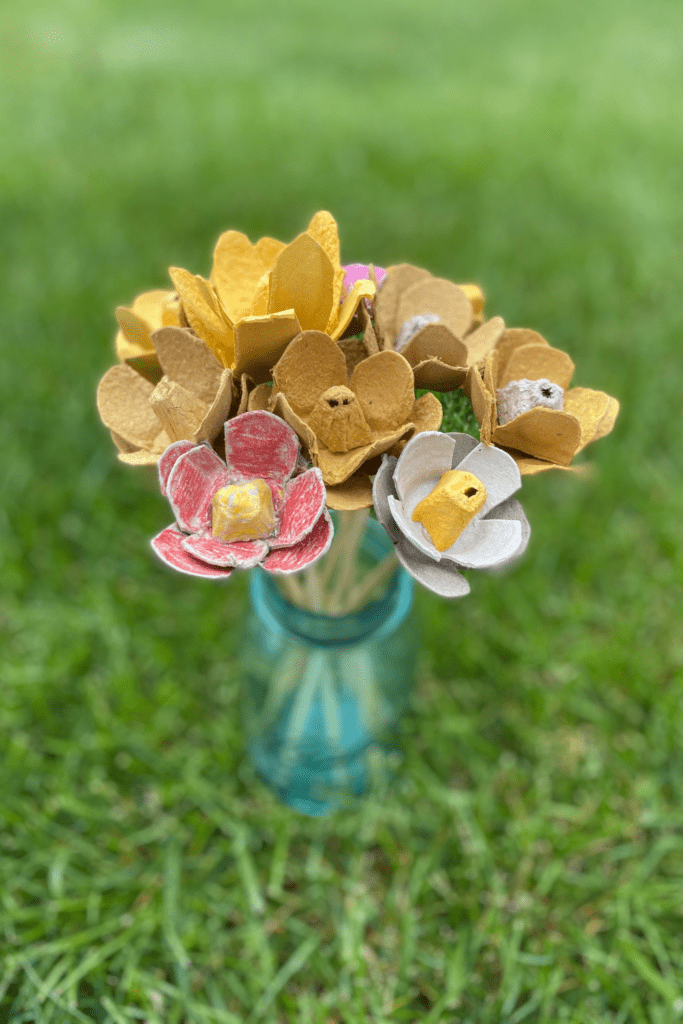
- Egg Carton Flowers: A creative way to repurpose materials and learn about plant structures!
- Spa Day Science: The Chemistry of Bath Bombs: Dive into the fizzy chemistry behind bath bombs while making your own!
Spring is the perfect time for hands-on learning—so keep exploring, creating, and experimenting!